Science, a Deathbed Promise, and a Mother’s Gift
Since I was a toddler, I’ve been a passionate scientist and wonder junky. The stars, the woods, the ponds, and the coastlines of Maine were my childhood lab. I was in awe of the universe and the riot of life around me. And I knew, with a burning certainty, that I would be an astronomer or a biologist when I grew up. Maybe both.
But one day, when I was seventeen, something changed. And ever since then, I’ve been approaching science very differently — all because of a debt I’ll spend my life repaying.
“I’m going to be gone soon,” she said, slowly, visibly frustrated by her halting, labored speech.
“I’m ready to die.”
“But I’m not finished. I’m not done with you. I’m not done being your mother. And I’m sorry. I can’t be there for you anymore.”
“So you need to promise me something. You have to promise me that you’ll be the best you can be. You’ll do your best for the world.”
I promised. It was the last conversation we ever had.
At the time, I didn’t know that my mother would be dead within days. But she did.
She was trying to tell me that, after years of agony, ALS (amyotrophic lateral sclerosis, also called Lou Gehrig’s disease) was going to take her soon. And she needed to have one last conversation with her youngest child. A child who turned 17 two weeks earlier, and whose father had disappeared into a bottle — trapped in a maelstrom of grief and alcoholism.
She had one last act of good parenting to do. She used her final moments to help her son set a course. A future. A goal.
It’s been over 30 years now, but I still think about that promise every day. Sometimes it terrifies me, especially when I’m not sure I can live up to it. But mostly it’s a precious gift, and it gives me a sense of purpose and direction.
It helps to understand the back story.
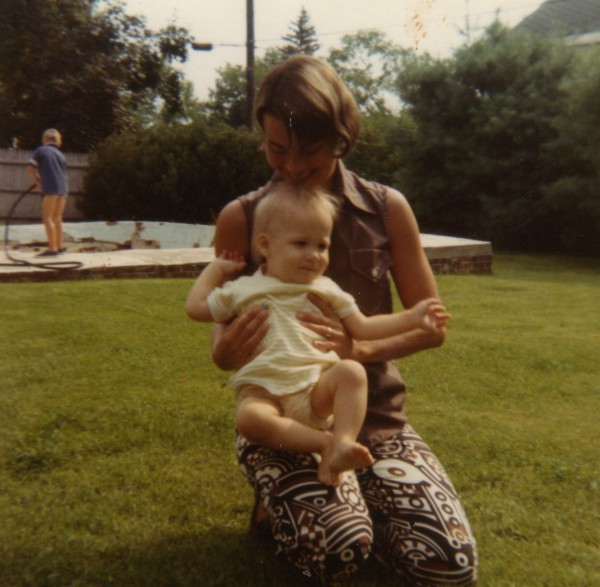
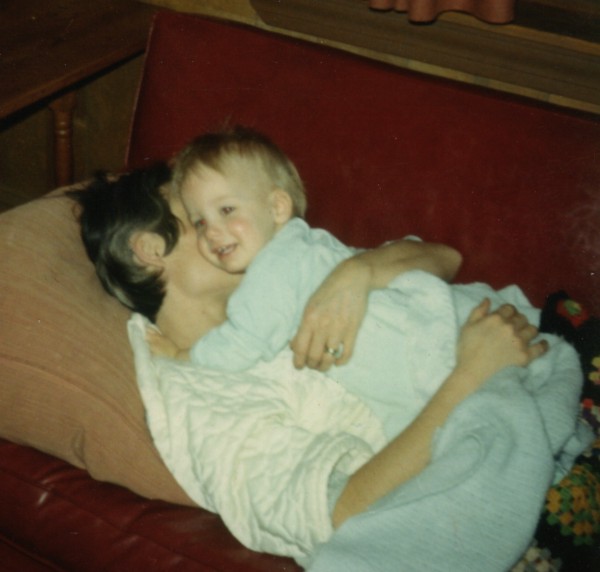
Short version: My mother saved my life as an infant — against all medical odds. She shared her wonder and infectious love of nature. And, throughout my childhood, we had a very close relationship. It’s hard to describe.
Everyone loves their mother, of course. But I owed her everything. And it was cruelly ironic that I could only stand by when she was being ravaged by a painful, degenerative illness. That sense of powerlessness, unable to help someone I loved, still haunts me. I couldn’t do a damn thing for her then.
But I can try now. I can dedicate my life to trying to make the world a little bit smarter, a little bit better, and honor the promise I made her when she was dying. That’s how I’ll repay her.
Maybe it’s guilt. Maybe it’s an overdeveloped sense of duty. Maybe I’m just a fool. But I’m going to spend my life trying to fulfill that promise and repay that debt. And I honestly don’t know if I’ll ever make good on it.
But I’m going to try. I just hope it’s enough.
During the years of her illness, and long after her death, I was very bitter and angry. Angry at God. Angry at my father. Angry at the world.
But, one day, that anger finally disappeared, and I remembered the promise I made her.
I needed to fulfill a promise, and repay a debt. Being angry wasn’t going to help me do that. Besides, I had already used up a lifetime’s worth of bitterness. There wasn’t any left.
It was time to get to work.
(God and I might have words later, though. I still have a bone to pick.)
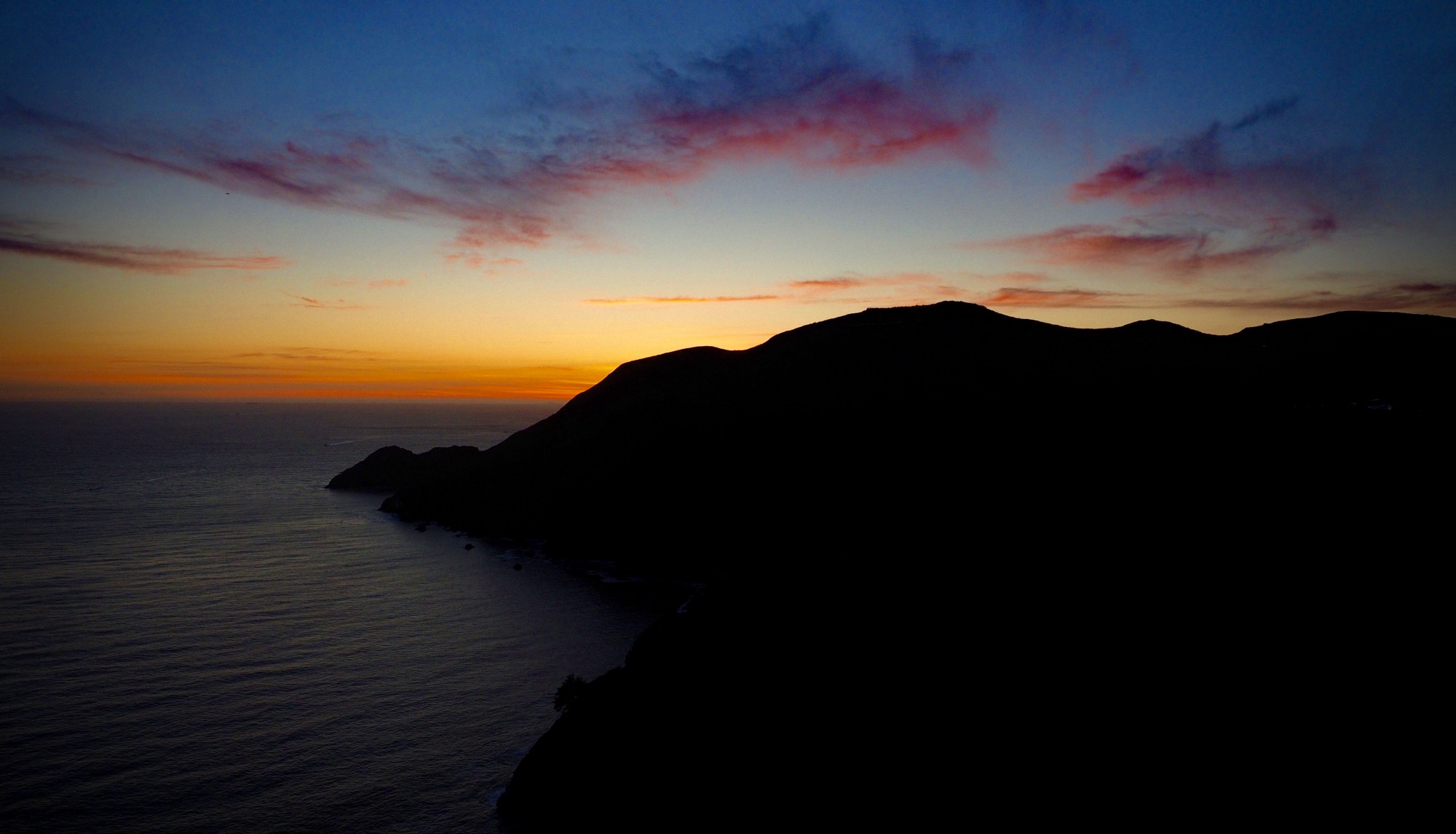
The summer after she died, I went to college to study physics and astronomy.
But after a couple of years, I started thinking about the promise I made. What was I going to do for the world with physics? It was the late 80s, and most physics jobs were focused on theoretical particles or weapons technology. No. No thanks.
How could this training be used to make a positive difference in the world? Engineering maybe? Some kind of biomedical research? Teaching? Something else?
After seeing everything my mother had done for me, how could I sit back and watch my generation leave a wrecked planet to our children?
That’s when another gift from my mother came back to me: a deep love and appreciation of the natural world.
I began to realize that we are living in a truly unique, terrifying, and powerful moment in human history. It’s the moment of our species’ inflection point, when our civilization will either learn to live sustainably and prosperously on this planet — or it won’t. It’s a time when we’re crashing past planetary limits, causing widespread climate change, ecological destruction, and the wholesale depletion of natural resources — which, unchecked, will burden and impoverish future generations. And we maybe had a few decades to shift course, or the planet we know and love, and the future generations of our civilization, would be doomed.
After seeing everything my mother had done for me, how could I sit back and watch my generation leave a wrecked planet to our children?
I suddenly knew what I was supposed to do. I found my life’s work. And my mother had given me a final, posthumous gift.
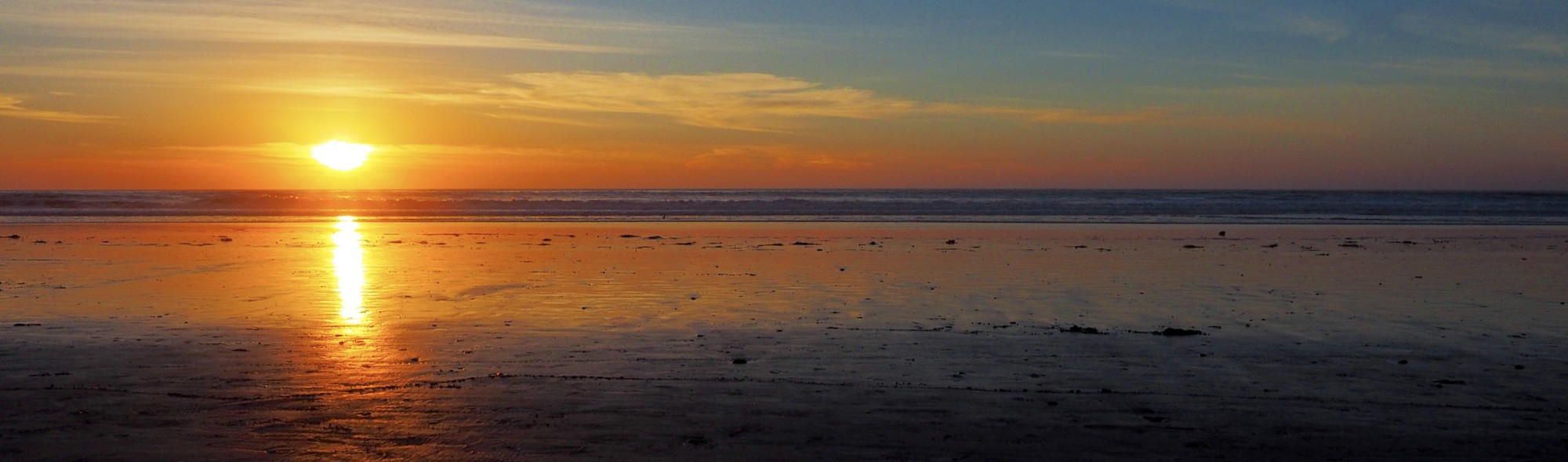
So I ended up studying atmospheric science, ecology, and global environmental systems for my Ph.D. My thesis focused on climate change, and I built a new generation of computer models to help us understand the changes in climate and ecosystems that occurred over the last 10,000 years.
It was the early 90s, and a new field of “Earth System Science” was being born. This new, interdisciplinary arena was exciting. It was filled with new discoveries, passionate people, and a sense of purpose — trying to figure out how the planet worked, so maybe we’d have a chance to save it.
I loved it. We were doing good science. And it was having an impact.
I’ve been fortunate to work with many other scientists on climate change, global ecology, land use, and deforestation. More recently, my colleagues and I were studying the world’s food system, finding ways to feed the world without destroying the planet. It’s been exciting to work with really smart people — especially the amazing students and postdocs I’ve mentored — and help make breakthroughs in several fields.
More importantly, over the arc of my career, I’ve been able to shift to ever-more practical problems — asking questions that were more driven by societal need than scientific curiosity.
In 2014 I was directing a large environmental institute, where my colleagues were making amazing breakthroughs, and my own lab was finding more sustainable paths for global land use and agriculture. What was even better was that we were connecting to decision-makers in governments, foundations, businesses, and NGOs worldwide.
I loved it. We were doing good science. And it was having an impact.
But then, two years ago, I decided to try something new, and switched careers altogether.

Now I run a major science museum. And, for the moment at least, I’ve hung up my virtual lab coat.
Doing science, especially when it makes a difference in the world, is incredibly fulfilling. But I started to realize that the biggest limitation to science truly helping the world wasn’t always the lack of new data or theories. We know a lot already, but yet the world doesn’t act. The key might be in the translation of science to the wider world, which has more to do with culture than facts.
I started to understand that the “science deficit model” — the idea that people just don’t know the facts, because they haven’t heard them before — was simply wrong. People have heard the facts from scientists — many times, in fact — but they just don’t want to hear them, because they don’t fit into their cultural norms.
In other words, people are very good at ignoring facts that contradict their existing views of the world, which are built by our upbringing, experience, and culture. Uncomfortable facts are the easiest to ignore. As a result, many end up in a collective state of science denial.
In short, if you want to get into someone’s head, you first have to go through their heart.
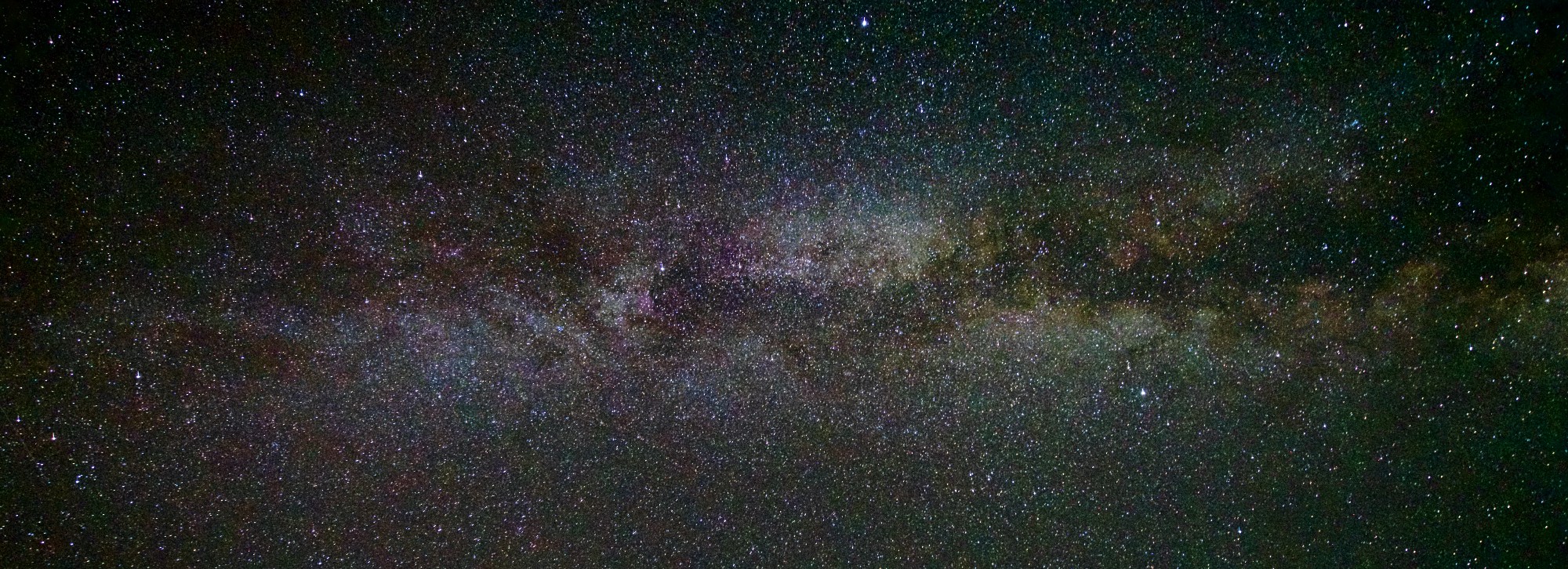
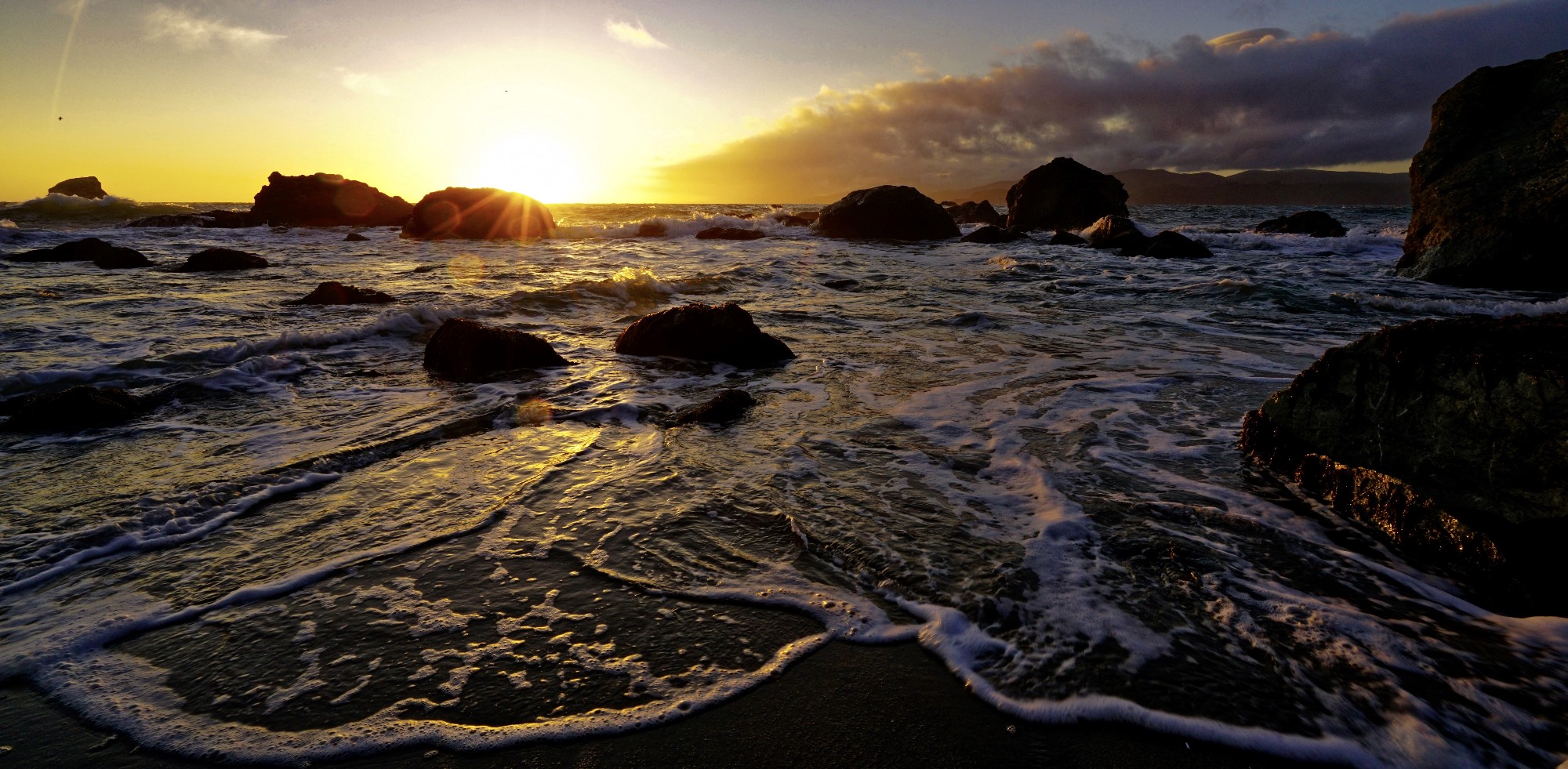
We need to find ways of sharing science so it truly connects with people. Facts alone don’t do this, but stories do. So do shared experiences of awe, wonder, and beauty — like seeing the majesty of the Milky Way on a crystal clear night, or seeing a coral reef teeming with life through azure waters, or walking through an ancient redwood grove, eerily silent, drenched in mist.
In short, if you want to get into someone’s head, you first have to go through their heart.
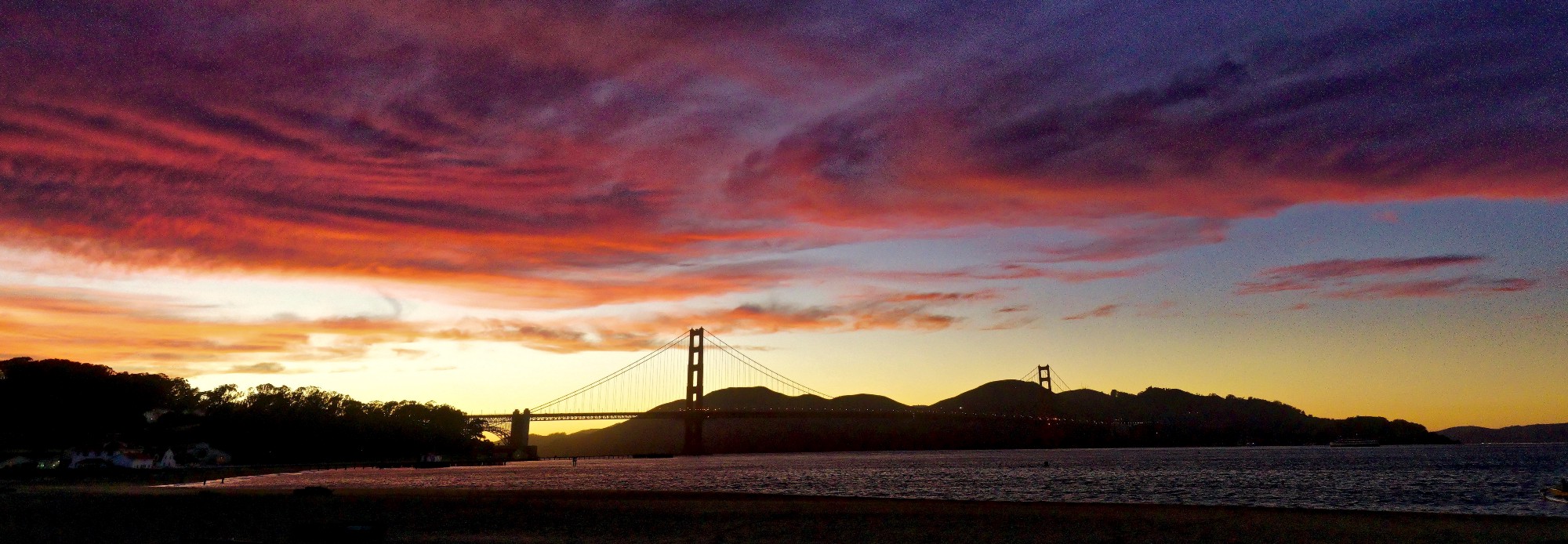
So now I work to advance science education, authentic communication, and broader public engagement around global environmental issues. Our museum has a beautiful and succinct mission — to explore, explain, and sustain life on Earth. It’s an honor to be part of it.
Science needs help telling its story to the world. Maybe I can lend a hand? We’ll see. It feels like the right path, and I think my mother would approve.
We all face moments of darkness, and moments of incredible blessing.
It’s my North star, my guardrail, and the standard against which I measure the value of a day’s work. Or a life.
I was lucky. My darkest moments were tempered by an incredible gift. My mother somehow turned her death — the hardest, cruelest, most vexing thing I’ve ever experienced — into a moment of power and clarity, something that will guide the rest of my life.
It’s my North Star, my guardrail, and the standard against which I measure the value of a day’s work. Or a life.
Dr. Jonathan Foley (@GlobalEcoGuy) is the executive director of the California Academy of Sciences. These views are his own, and do not reflect those of the Academy or any other organization.
p.s. I am deeply grateful to everyone who read, “liked”, shared, and commented on this deeply personal story. Thank you. It means a lot.